
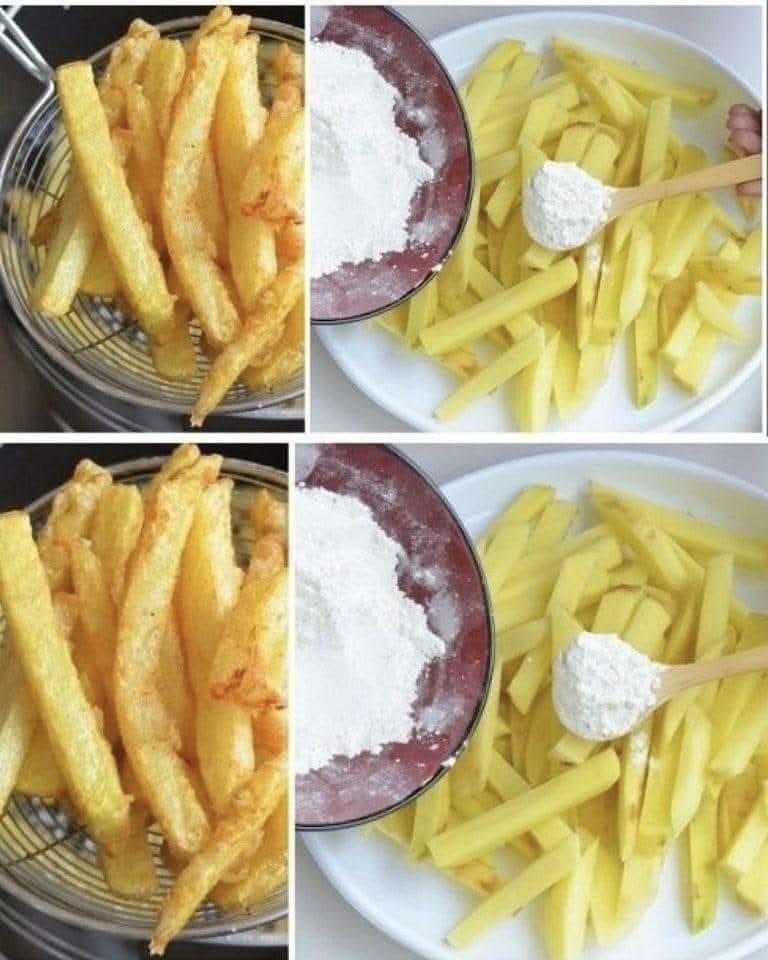
Few foods inspire as much universal love as French fries. Yet, for something so simple, achieving restaurant-level crispiness at home can feel frustrating. Fries come out limp, soggy, or overly dark without that ideal crunch. Fortunately, professional chefs rely on one humble pantry ingredient to solve this problem: vinegar.
This article dives deep into why the vinegar trick works, how to use it correctly, and what separates ordinary fries from truly unforgettable ones.
The Science Behind Crispy Fries
Potatoes are made up of water, starch, and cell walls. When heated, the starches absorb water and swell, which is great for a fluffy interior—but not for a crisp exterior. If the outer layers break down too quickly, fries lose structure and turn soft.
Here’s where vinegar steps in.
Why Vinegar Changes Everything
Adding a small amount of vinegar to the boiling water:
- Strengthens potato cell walls through mild acidity
- Slows the breakdown of pectin, helping fries keep their shape
- Creates a firm exterior before frying or baking
- Improves browning and crunch
The key detail: vinegar affects texture, not flavor. When used properly, there is zero vinegar taste in the final fries.
The Vinegar Method: Step-by-Step Perfection
Ingredients
- 2 lbs (about 1 kg) potatoes (Russet preferred)
- Cold water
- 2–3 tablespoons white or distilled vinegar
- Oil for frying or baking
- Salt (fine salt works best)
Step 1: Choose the Right Potato
- Russet potatoes are ideal due to their high starch and low moisture
- Yukon Golds work, but fries will be slightly creamier and less crisp
Avoid waxy potatoes—they’re better for roasting than frying.
Step 2: Cut for Consistency
Slice potatoes into evenly sized sticks. Uniform thickness ensures:
- Even boiling
- Consistent crisping
- No burnt ends or undercooked centers
Rinse briefly to remove surface starch, then proceed.
Step 3: Boil with Vinegar
Place potatoes in cold water and add:
- 1 tablespoon vinegar per quart (liter) of water
Bring to a gentle boil and cook for 8–10 minutes, just until tender when pierced with a knife. They should hold their shape and not crumble.
Drain immediately.
Step 4: Steam-Dry (Critical Step)
Let the drained potatoes rest for 3–5 minutes.
This allows excess moisture to evaporate, which is essential for crispiness.
For extra dryness, gently shake them in the pot to rough up the edges—this creates more surface area for crunch.
Cooking Methods: Frying vs. Baking
Classic Deep Frying (Best Crunch)
- Fry once at 160°C / 320°F for 2–3 minutes (no browning)
- Rest 10 minutes
- Fry again at 180°C / 360°F until golden and crisp
- Salt immediately
Oven-Baked Option (Healthier)
- Toss fries with oil
- Spread in a single layer
- Bake at 220°C / 425°F
- Flip halfway for even browning
They won’t be exactly like deep-fried, but vinegar still improves texture dramatically.
Common Mistakes to Avoid
- Adding too much vinegar (can soften instead of firm)
- Skipping the steam-dry phase
- Overcrowding the fryer or baking tray
- Salting before cooking (draws out moisture)
Why Restaurants Use This Trick
Fast-food chains and high-end restaurants rely on acid-treated blanching to maintain consistency, crunch, and holding quality. Vinegar keeps fries crisp longer—even after cooling slightly—making them ideal for serving and delivery.
Final Thoughts: Small Change, Big Results
The vinegar trick proves that perfect fries don’t require fancy equipment—just a little science and technique. One spoonful of vinegar transforms potatoes into crispy, golden fries with fluffy interiors that rival your favorite restaurant.

Leave a Comment