
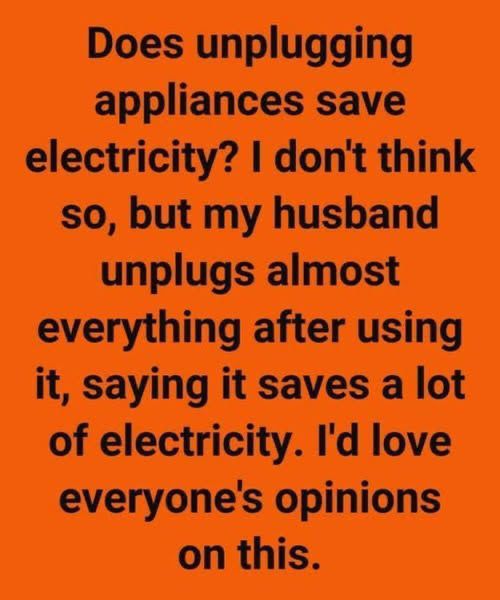
Many households wonder whether unplugging appliances when they’re not in use actually lowers electricity bills or if it’s simply a myth. The short answer is yes—unplugging can save electricity, but the amount saved depends on the type of device and how often it’s used. To understand why, it helps to look at something called standby power.
What Is Standby (Phantom) Power?
Standby power—often called phantom or vampire energy—is the electricity consumed by devices that are turned off but still plugged in. Many modern appliances continue drawing power to:
- Keep digital clocks or displays on
- Maintain Wi-Fi or Bluetooth connections
- Respond instantly to a remote control
- Stay in “ready” mode
This small, continuous draw adds up over weeks and months.
Appliances That Use Power Even When Off
Some items quietly consume electricity all the time when plugged in:
- Televisions and streaming boxes
- Game consoles
- Desktop computers and monitors
- Microwaves with digital clocks
- Coffee makers with displays
- Phone and laptop chargers (especially when left plugged in)
Individually, the consumption is small, but together they can account for a noticeable portion of a home’s energy use.
How Much Electricity Can You Really Save?
Unplugging unnecessary devices can typically reduce household electricity use by 5–10% over the year, depending on how many electronics are involved and how energy-efficient they are. For many homes, that translates into real, visible savings on monthly utility bills.
The biggest benefits come from unplugging:
- Electronics with external power adapters
- Devices that stay warm or partially active
- Equipment rarely used but always plugged in
When Unplugging Makes Little Difference
Not every appliance needs to be unplugged:
- Refrigerators and freezers must remain on
- Wired smoke detectors and medical devices should stay connected
- Large appliances without digital displays draw little to no standby power
In these cases, unplugging offers little or no benefit.
Convenience vs. Savings
Constantly unplugging devices can feel inconvenient. An easier solution is using:
- Power strips with on/off switches
- Smart power strips that shut off power automatically
These options let you cut standby power with a single switch while protecting electronics.
Beyond Savings: Safety Benefits
Unplugging appliances also:
- Reduces the risk of electrical fires
- Protects devices from power surges
- Extends the lifespan of chargers and electronics
So the advantages go beyond energy savings alone.
Final Verdict
Unplugging appliances does save electricity, especially when it comes to electronics and small kitchen devices with digital features. While the savings from any single device may be modest, the combined effect over time can meaningfully lower both energy use and costs. It’s a simple habit that promotes efficiency, safety, and smarter energy consumption



Leave a Comment