
Clint Eastwood: The Rise of an American Icon Through Resilience
Before Clint Eastwood became the embodiment of American grit—a man defined by quiet confidence, steely composure, and a gaze that could silence a room—he was simply a young man searching for direction. Raised in San Francisco during uncertain times, Eastwood’s path to greatness was neither glamorous nor guaranteed. His journey is not one of instant stardom, but of endurance, patience, and an unshakable belief in himself.
Humble Beginnings of a Future Legend
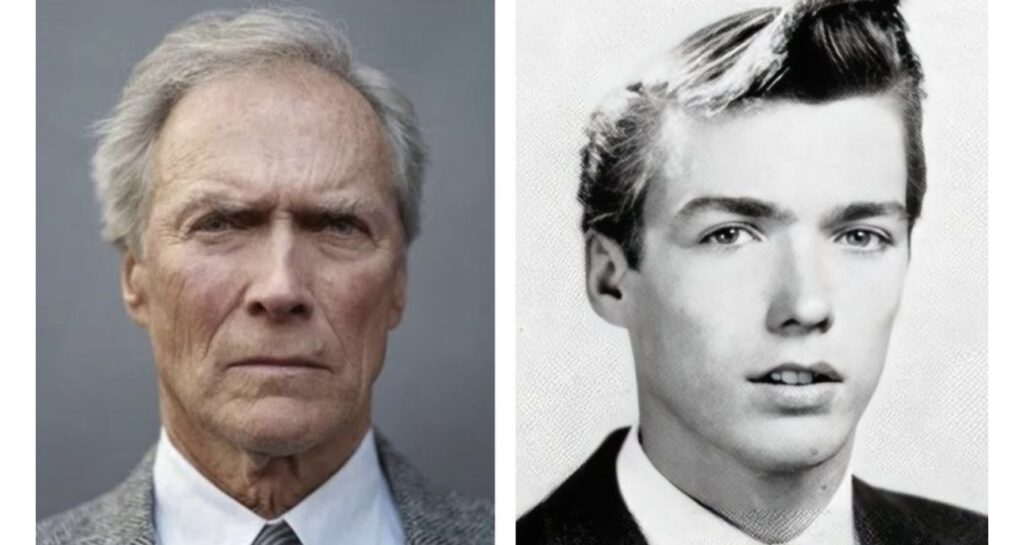
Early photographs of Clint Eastwood reveal a figure far removed from the hard-edged icon audiences would later revere. With neatly combed hair, a soft expression, and a reserved demeanor, he appeared almost fragile. There was no trace yet of the intimidating stare that would define Dirty Harry or the stoic lone gunslinger of Sergio Leone’s Westerns.
Eastwood was tall and slender, earning the nickname “Samson” during his school years. Naturally introverted, he spoke little and observed much—traits shaped by a childhood marked by instability. Growing up during the Great Depression, his family moved frequently as his father searched for steady work. Constantly being the new kid taught Eastwood independence and self-reliance, qualities that later became the foundation of his commanding on-screen presence.
A Brush with Death That Changed Everything
At just 19 years old, Eastwood was drafted into the U.S. Army. During his service, he survived a terrifying plane crash into the icy waters of the Pacific Ocean. Against all odds, he swam through freezing waves to reach shore.
The experience left an indelible mark. Eastwood later reflected that surviving the crash forced him to confront life’s fragility head-on. From that moment on, fear lost much of its power over him. This awareness deepened his resolve and added an unmistakable authenticity to his performances—an emotional gravity that audiences would feel even when he said very little.
Hollywood Rejection and Misjudgment
Despite his growing determination, Hollywood offered no easy welcome. Early auditions were filled with criticism and doubt. Casting agents told him he was too tall, too stiff, too quiet. Some even claimed he lacked charisma. One famously remarked that he smiled too little—an observation that would later seem absurd.
What many saw as flaws were, in truth, the very qualities that made Eastwood unforgettable. His restraint, silence, and intensity didn’t fit the industry’s expectations at the time, but they would soon redefine what a leading man could be.
Redefining the American Hero
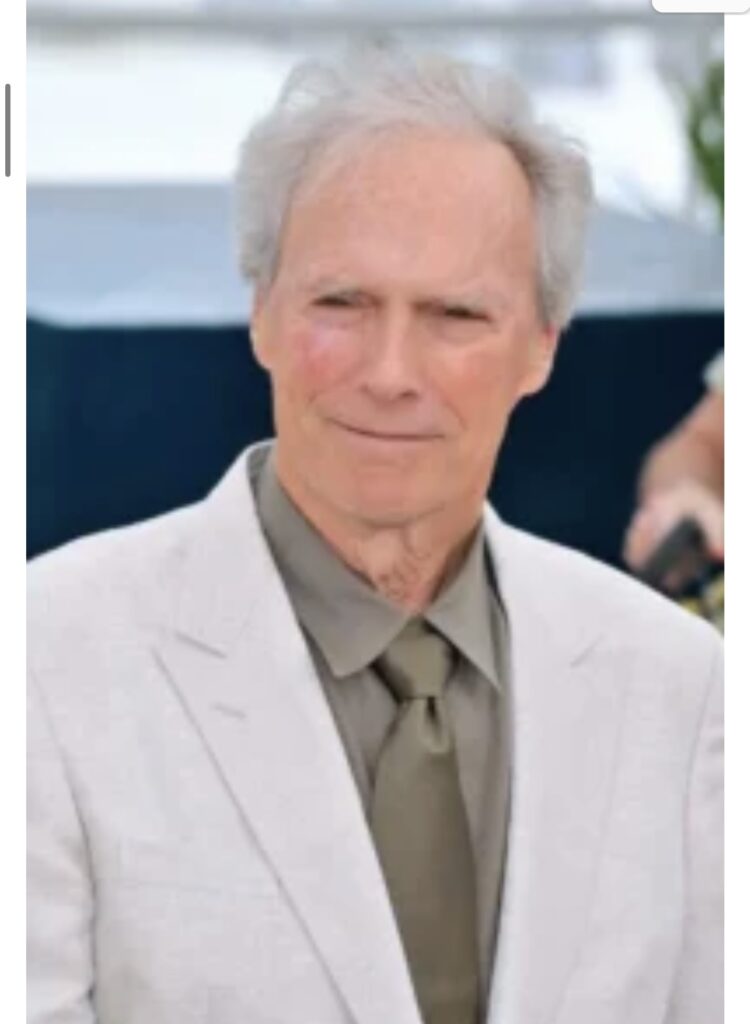
Eastwood’s first significant breakthrough came with the television series Rawhide, where he played Rowdy Yates. The role provided visibility and valuable experience, but it was his work in Italian-made “Spaghetti Westerns” that transformed him into an international star.
These films introduced a radically new kind of hero—quiet, morally complex, and emotionally restrained. With minimal dialogue, a poncho draped over his shoulders, a cigar clenched between his teeth, and that unmistakable stare, Eastwood reshaped the Western genre forever. Audiences around the world were captivated by a man who said little but meant everything.
Mastery Behind the Camera
Unwilling to be confined to acting alone, Eastwood moved behind the camera as a director and producer. This transition marked a new era of creative control and artistic depth. His films explored themes of justice, redemption, aging, and moral ambiguity with rare honesty.
Works such as Unforgiven, Million Dollar Baby, Mystic River, and Gran Torino earned him Academy Awards and critical acclaim. His directing style—unflinching, restrained, and deeply human—mirrored the resilience forged in his early life and hardened by survival itself.
A Legacy Built on Perseverance
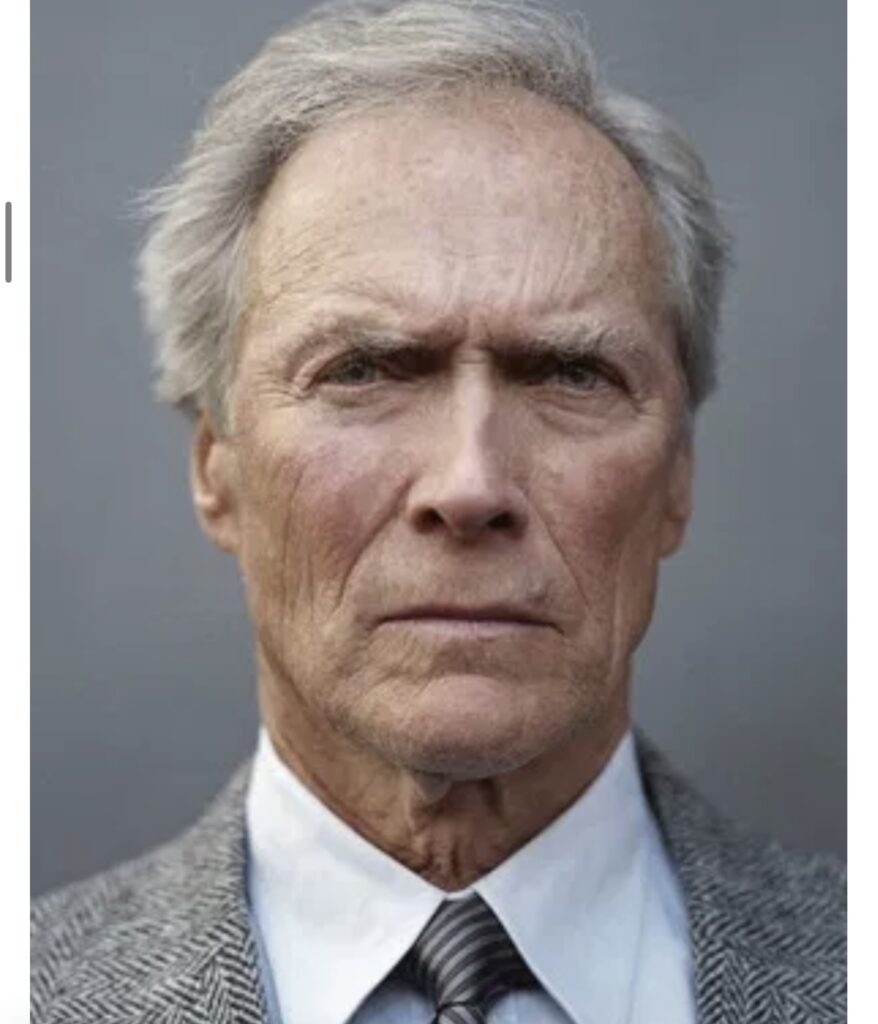
Clint Eastwood’s story is not one of overnight success, but of steady, unrelenting perseverance. From a quiet boy nicknamed “Samson” to one of the most respected figures in cinematic history, his life proves that greatness is shaped through hardship, patience, and courage.
His legacy stands as a powerful reminder that true icons are not created by comfort or ease—but by resilience, self-belief, and the refusal to surrender when the world says no.



Leave a Comment